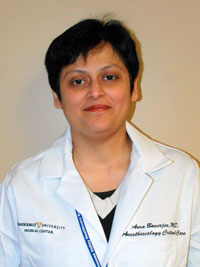
The Evolution of Medical Educationby Arna Banerjee, MD, MMHC, FCCM Past AUA Webinars 2026: Bridging the Gap: Enhancing Feedback Culture in Medical Education and Innovations in Simulation Upcoming AUA Webinar 2026: Fellowships: A Strategic Decision Upcoming Webinar: Navigating Fellowship Choices
Don’t miss this discussion on opportunities, challenges, and strategies to align your fellowship decision with long-term career goals. Looking Ahead: Annual Meeting Panels in Development Medical education is experiencing a significant transformation, fueled by rapid technological advances and changing social dynamics. At the 2026 Annual Meeting, the EAB panel will explore these shifts in depth, engaging in a forward-looking discussion that aims to shape how we teach, learn, and prepare future healthcare professionals. This session will gather leading voices to analyze the tools, trends, and challenges shaping the next phase of medical training. The discussion will explore the increasing role of learning management systems and multimedia resources, which are transforming the way medical knowledge is delivered and learned. These platforms not only broaden access but also create more personalized and interactive learning experiences. The panel will also examine the significant advances in technology and simulation, showcasing how high-fidelity simulations and virtual environments are closing the gap between classroom theory and clinical practice. These innovations are providing learners with essential skills in a safe, controlled setting, preparing them for real-world situations. Beyond technology, the panel will explore the social effects of distance learning—a topic that has become more urgent in recent years. Remote education has created new opportunities for flexibility and inclusivity, but it also raises questions about collaboration, fairness, and the changing sense of professional identity among medical trainees. Understanding these factors is crucial for developing educational models that not only use technology but also maintain the human connections vital to healthcare. This conversation is more than just an academic exercise; it serves as a roadmap for the future. We will gain insights that can inform curriculum design, institutional strategy, and learner support in an era of adaptability. The evolution of medical education is not a distant concept—it is happening now, and this panel will help you stay ahead of the curve. Join us at the 2026 Annual Meeting and participate in a dialogue that will shape the next generation of medical professionals. Stay tuned for more updates—and don’t miss the chance to be part of these important conversations. Author
Arna Banerjee, MD, MMHC, FCCM |